
Digital Precision in Dentistry: Why CEREC Plays an Important Role Today
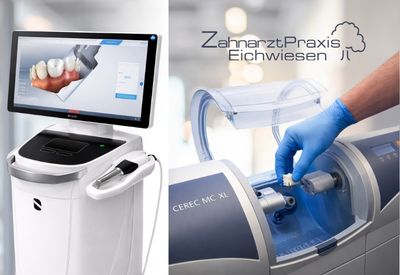
Dentistry has evolved significantly in recent years. Digital technologies now make it possible to perform treatments that were once far more complex and time-consuming. One of these innovations is CEREC technology, which is used in modern dental practices to plan and manufacture ceramic dental restorations with exceptional precision.
For many patients in Switzerland, three factors are particularly important: functionality, durability, and natural-looking aesthetics. Digital systems such as CEREC combine all of these benefits, enabling highly accurate reconstruction of the natural shape and function of teeth.
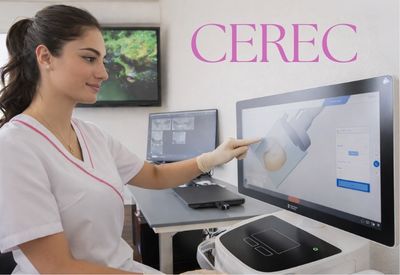
Precision Through Digital Planning
The introduction of digital scanning and design technology has transformed many restorative dental procedures. Instead of traditional impression techniques, the tooth structure can now be captured in three dimensions using advanced digital scanners.
Based on this data, the restoration is designed digitally with remarkable accuracy. This process allows dentists to analyze the tooth’s shape, contact points, and bite relationship in great detail.
As a result, the final ceramic restoration can integrate seamlessly into the existing dentition, supporting both natural function and patient comfort.
This level of precision is particularly important for single crowns and ceramic inlays, where long-term stability and optimal performance are essential.
.
High-Quality Ceramic for Natural Aesthetics
Another key advantage of modern CEREC restorations is the material used. High-quality dental ceramics possess characteristics that closely resemble natural tooth enamel.
These include:
- Natural light transmission
- Excellent color stability
- A smooth and durable surface
These properties allow ceramic restorations to blend harmoniously with the natural dentition.
Particularly in visible areas of the smile, many patients seek solutions that look as natural and discreet as possible.
Langlebigkeit moderner Keramikrestaurationen
Ceramic restorations are now considered one of the most reliable and long-lasting solutions in restorative dentistry.
With careful treatment planning and good oral hygiene, they can function successfully for many years.
However, their actual lifespan always depends on individual factors, including:
- Daily chewing forces
- Habits such as teeth grinding (bruxism)
- Regular dental check-ups
Professional dental cleanings and consistent oral hygiene play a crucial role in maintaining the long-term stability of ceramic restorations.
Greater Comfort for Patients
Another important benefit of digital dentistry is enhanced patient comfort.
Many patients find digital scans considerably more comfortable than traditional impression materials.
In addition, the entire treatment process can often be carried out more efficiently.
Digital planning also enables highly precise adjustments during the design phase. Minor modifications can be made directly within the digital model before the final ceramic restoration is manufactured, helping to ensure an optimal fit and outcome.
When Are Digital Solutions Especially Beneficial?
Digital technologies such as CEREC are particularly suitable for restorative treatments where precision and aesthetics are essential.
Typical applications include:
- Ceramic inlays
- Partial crowns
- Single crowns
In more complex situations, such as extensive restorative treatments or large-scale prosthetic work, collaboration with a specialized dental laboratory may still be the most appropriate option.
The choice of treatment should always be based on the individual patient’s dental condition and needs.
For this reason, a thorough examination and professional consultation are essential in determining the most suitable solution.
Modern Dentistry Combines Technology and Experience
Digital systems have significantly expanded the possibilities of modern dentistry.
However, long-term success still depends on combining advanced technology with clinical expertise.
When both come together, it becomes possible to create highly precise, functional, and aesthetic restorations that integrate naturally into the patient’s smile and dentition.
Our Google Reviews

It’s been a very good experience. I don’t like going to the dentist, but this time it felt good. All the personnel are quite attentive, everything is super clean, and it feels comfortable. Super professional, they know what they are doing. I totally recommend it

Excellent practice! From reception to departure, the care is outstanding. The staff are exceptionally friendly. The dental cleaning was very comfortable and carried out with great care and attention.

From the extremely friendly and professional welcome by Mrs. Dzaferi to the most thorough and conscientious dental hygiene treatment I have ever received from Mrs. Köçer, the experience was exceptional

I went to this dental clinic for a cleaning, and it was genuinely the best one I have ever had.
They did an incredibly thorough job, leaving absolutely no trace of tartar, and surprisingly it did not hurt at all.

I visited Praxis Eichwiesen for a dental cleaning. The care was first-class, highly professional, and I have to say it was the most comprehensive cleaning I have ever had. 100% recommended.

My new trusted dentist. Very reasonable prices and outstanding professionalism. The entire team is attentive and kind. I highly recommend them.

Highly recommended dental practice! The dental hygiene treatment is extremely thorough and comfortable. Mr. Miranda and his team do an excellent job