
Tooth Preservation: Modern Dentistry for Healthy, Long-Lasting Teeth

Tooth preservation is a fundamental pillar of modern dentistry, focused on one clear goal: keeping your natural teeth healthy and functional for as long as possible. Thanks to evidence-based treatment methods and advanced dental technologies, even severely damaged teeth can often be successfully restored and preserved.
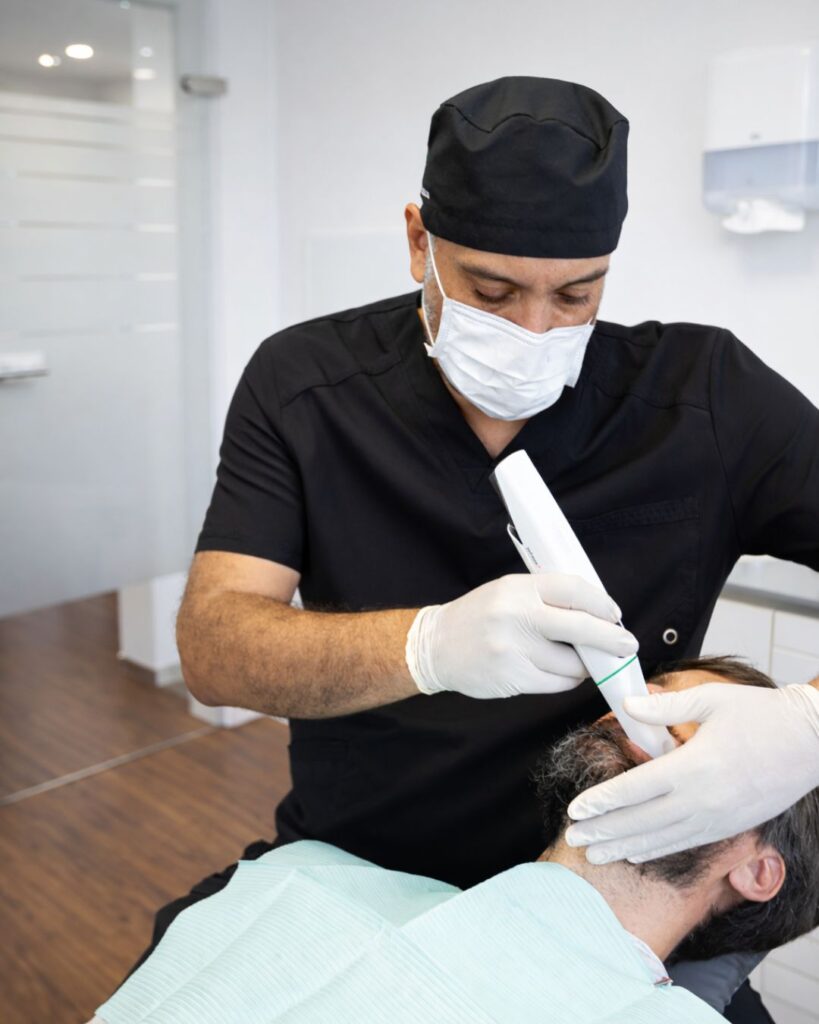
What Is Tooth Preservation?
Tooth preservation, also known as conservative dentistry, includes all treatments and preventive measures designed to protect, repair, and strengthen the natural tooth structure over the long term.
Key areas of tooth preservation include:
- Cavity (tooth decay) diagnosis and treatment
- Composite tooth-colored fillings
- Root canal treatment (endodontics)
- Preventive dentistry, including fluoride treatments and dental sealants
This field is based on evidence-based dentistry and continuously evolves through international scientific research and clinical studies.
.
Schedule Your Appointment Today
Would you like to protect your oral health and benefit from the latest advances in modern dentistry?
Contact our team today at 044 806 90 90 or conveniently book your appointment through our online contact form.
Early Detection and Treatment of Tooth Decay
Dental caries (tooth decay) is one of the most common diseases worldwide. According to the World Health Organization (WHO), nearly all adults experience cavities at some point in their lives. Early diagnosis is essential for preventing extensive damage.
Modern diagnostic techniques allow dentists to detect tooth decay in its earliest stages. When identified early, cavities can often be stopped without invasive procedures through targeted fluoride therapy and preventive care.
For more advanced decay, minimally invasive filling techniques help restore the tooth while preserving as much healthy tooth structure as possible.
Root Canal Treatment: Saving Teeth Instead of Removing Them
When infection or inflammation reaches the dental pulp, root canal treatment becomes necessary. Thanks to modern endodontic techniques, scientific studies report success rates exceeding 90%.
Through meticulous cleaning, disinfection, and sealing of the root canal system, the affected tooth can often be preserved for many years, providing a sustainable alternative to tooth extraction.
Prevention: The Key to Long-Term Oral Health
he most effective dental treatment is prevention. Scientific evidence strongly supports the following preventive measures:
· Fluoride Therapy: Fluoride strengthens tooth enamel and significantly reduces the risk of tooth decay.
· Dental Sealants: Fissure sealants protect the chewing surfaces of molars, which are particularly vulnerable to cavities.
· Professional Dental Hygiene: Professional teeth cleaning effectively removes bacterial plaque and tartar, helping prevent gum disease and tooth decay.
· Regular Dental Check-Ups: Routine dental examinations allow potential problems to be identified early and treated with minimally invasive techniques.
Personalized Care for Lasting Results
Every patient has unique dental needs. Successful tooth preservation always begins with an individualized diagnosis and treatment plan tailored to each patient’s oral health condition and long-term goals.
Our objective is to maintain optimal oral health while minimizing the need for invasive procedures whenever possible.
Conclusion
Tooth preservation represents a modern, sustainable, and scientifically grounded approach to dentistry. By combining prevention, minimally invasive treatments, and personalized care, it aims to help patients maintain their natural teeth for a lifetime.
Our Google Reviews

It’s been a very good experience. I don’t like going to the dentist, but this time it felt good. All the personnel are quite attentive, everything is super clean, and it feels comfortable. Super professional, they know what they are doing. I totally recommend it

Excellent practice! From reception to departure, the care is outstanding. The staff are exceptionally friendly. The dental cleaning was very comfortable and carried out with great care and attention.

From the extremely friendly and professional welcome by Mrs. Dzaferi to the most thorough and conscientious dental hygiene treatment I have ever received from Mrs. Köçer, the experience was exceptional

I went to this dental clinic for a cleaning, and it was genuinely the best one I have ever had.
They did an incredibly thorough job, leaving absolutely no trace of tartar, and surprisingly it did not hurt at all.

I visited Praxis Eichwiesen for a dental cleaning. The care was first-class, highly professional, and I have to say it was the most comprehensive cleaning I have ever had. 100% recommended.

My new trusted dentist. Very reasonable prices and outstanding professionalism. The entire team is attentive and kind. I highly recommend them.

Highly recommended dental practice! The dental hygiene treatment is extremely thorough and comfortable. Mr. Miranda and his team do an excellent job